Harry Potter series: HBO confirms one major difference from the films
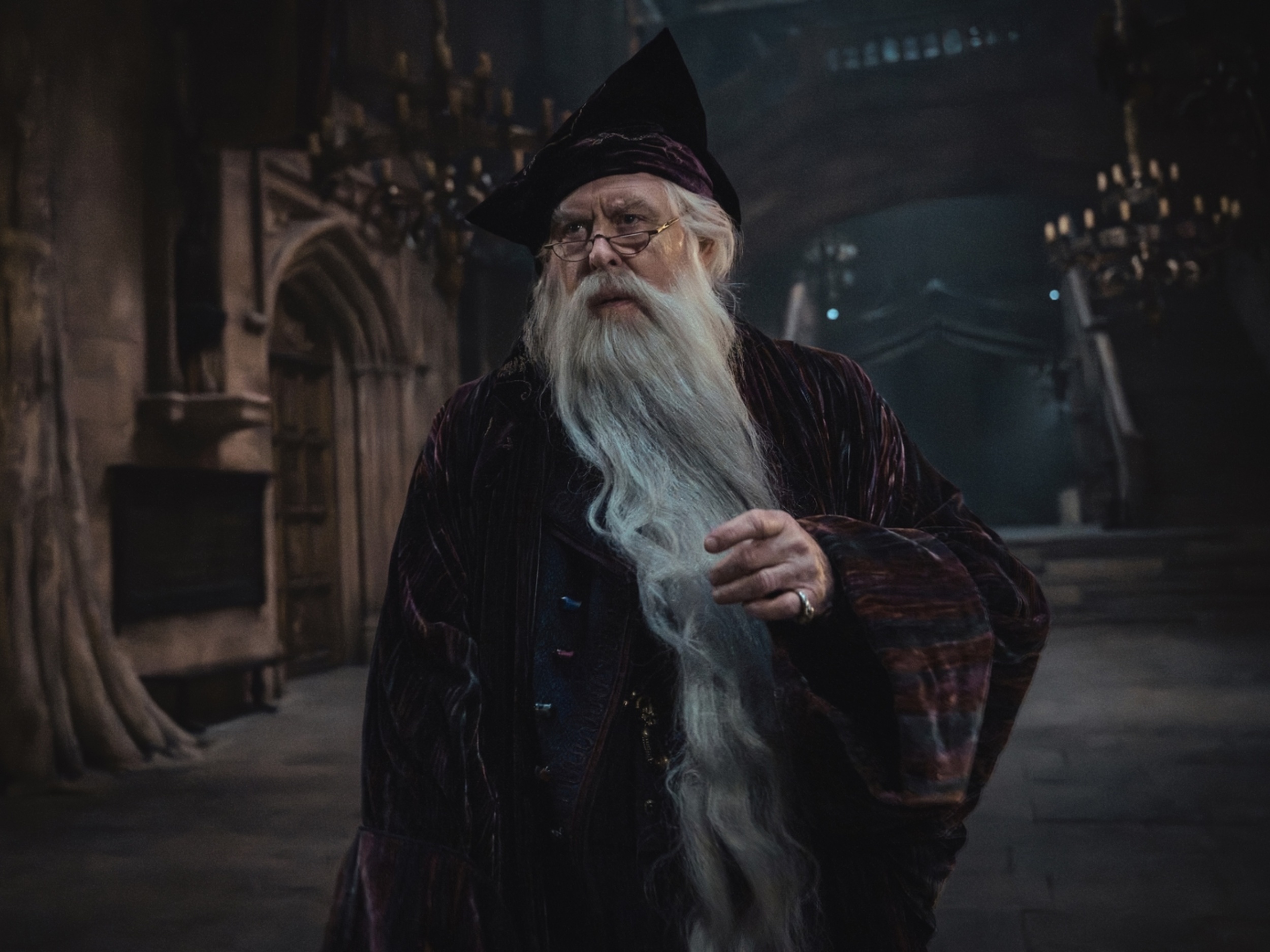
HBO has officially confirmed that their upcoming Harry Potter television adaptation will take place in the 1990s, marking a significant departure from the Warner Bros. film series' approach to time period. The streaming giant announced this decision as part of their commitment to remaining faithful to J.K. Rowling's source material, where the books explicitly begin in 1991.
The original film series, which began with "Harry Potter and the Philosopher's Stone" in 2001, made the creative choice to present the wizarding world in a somewhat timeless setting. While the first film maintained some 1990s elements, subsequent installments gradually moved away from specific period details, allowing the movies to feel contemporary to their release dates rather than anchored to Rowling's intended timeline.
 HBO's commitment to 1990s authenticity extends to every visual detail. Credit: HBO
HBO's decision reflects their stated goal of creating a more book-accurate adaptation across the planned seven-season series. Executive producers have emphasized that this period setting will allow them to explore elements from the novels that the films either compressed or omitted entirely. The 1990s backdrop becomes particularly relevant for storylines involving the wizarding world's relationship with Muggle technology and culture.
The period setting will manifest in several key ways throughout the series. Hogwarts students will use period-appropriate items like film cameras instead of digital devices, while the Dursley household will reflect authentic 1990s suburban British life. The wizarding world's isolation from rapidly advancing Muggle technology during this era provides narrative opportunities that wouldn't exist in a modern setting.
 Production designers are recreating authentic 1990s environments for maximum immersion. Credit: HBO
This temporal specificity also allows the series to better handle the complex timeline of wizarding history that Rowling established. Events like the First and Second Wizarding Wars, Voldemort's original rise to power, and the generational trauma affecting characters like Snape and Sirius Black gain clearer context when properly situated in their historical moment.
The production team has invested heavily in period-accurate costume design and set decoration. From Hermione's bushy hair styled authentically for the era to Ron's hand-me-down robes reflecting 1990s wizarding fashion, every visual element serves the story's temporal grounding. Even background details like newspapers, advertisements, and architectural choices will reflect the specific cultural moment of early 1990s Britain.
 Character costumes blend wizarding tradition with 1990s Muggle influences. Credit: HBO
The choice particularly benefits storylines involving characters' backstories and the broader wizarding community's recent history. The series can now properly explore how the aftermath of Voldemort's first defeat in 1981 shaped wizarding society throughout the 1980s, making Harry's 1991 arrival at Hogwarts feel like a genuine return to a world still healing from trauma.
Industry analysts note that HBO's approach demonstrates confidence in their source material's enduring appeal. Rather than updating the story for contemporary relevance, they're betting that audiences will embrace the nostalgia and authenticity of experiencing Harry Potter's world exactly as Rowling originally conceived it.
 The Great Hall combines timeless magic with period-specific atmospheric details. Credit: HBO
The series is currently in pre-production with casting underway for the three lead roles. HBO has committed to the full seven-season arc, with each season dedicated to one book in Rowling's series. The 1990s setting decision represents just one element of their comprehensive strategy to differentiate this adaptation from its film predecessors while honoring the original novels' vision.
From Our Estate
Planning a trip to Universal Orlando?
Wizard's Way is a private luxury estate minutes from the parks. Nine bedrooms, private pool, designed for families who expect more.
Reserve Your Stay