HBO's Harry Potter TV Series Production Designer Claims The Magic In The Show Is 'Rooted In Naturalism
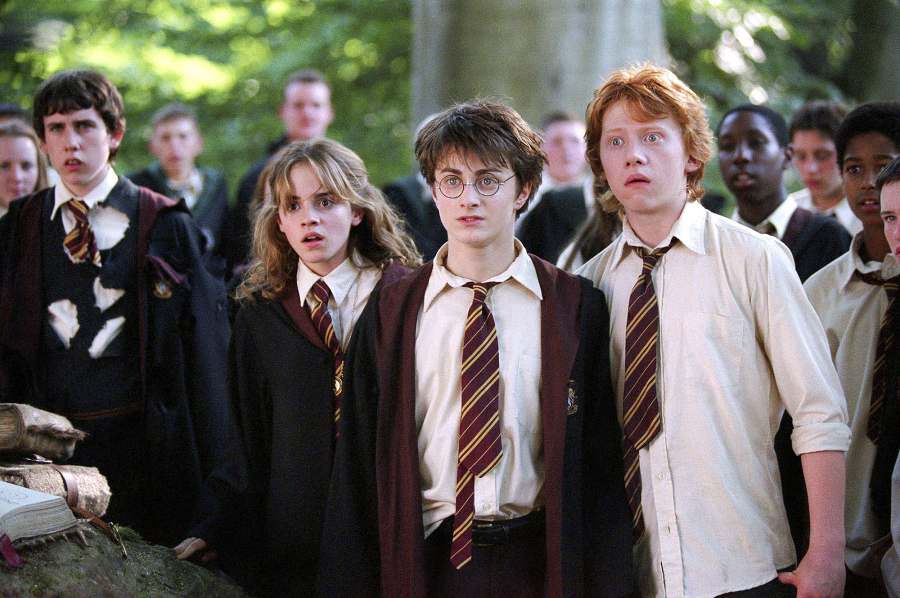
HBO's highly anticipated Harry Potter television series is taking a distinctly grounded approach to magical design, according to Production Designer Mara LePere-Schloop. Speaking about the visual direction for the upcoming adaptation, LePere-Schloop emphasized that the show's magical elements will be "rooted in naturalism," suggesting a departure from the more fantastical approaches seen in previous adaptations.
LePere-Schloop brings extensive experience to the project, having previously worked on acclaimed productions including "Game of Thrones" and "House of the Dragon." Her background in creating visually stunning fantasy worlds positions her uniquely to reimagine J.K. Rowling's wizarding world for television. The production designer's naturalistic approach indicates that magical elements will appear organically integrated into the physical world rather than overtly artificial or computer-generated.
 Production design concepts for HBO's Harry Potter series showcase naturalistic magical elements. Credit: HBO
This design philosophy represents a significant creative choice for the series, which is being developed as a faithful adaptation of Rowling's seven-book series. HBO announced the project in April 2023, with plans to dedicate one season to each book, allowing for unprecedented depth in storytelling. The naturalistic approach to magic could help distinguish this adaptation from the Warner Bros. film series, which concluded in 2011.
The emphasis on naturalism extends beyond visual effects to encompass set design, prop creation, and the overall aesthetic of the wizarding world. LePere-Schloop's vision suggests that magical objects and environments will feel lived-in and authentic rather than pristinely fantastical. This approach aligns with HBO's reputation for producing visually grounded fantasy content, as demonstrated in their successful adaptations of George R.R. Martin's work.
Series showrunner Francesca Gardiner and executive producer Mark Mylod are overseeing the adaptation, with J.K. Rowling serving as executive producer. The production has emphasized its commitment to honoring the source material while bringing fresh perspectives to familiar elements. LePere-Schloop's naturalistic design philosophy appears to be a key component of this approach.
 Behind-the-scenes glimpse of HBO's Harry Potter series production showcasing naturalistic set design. Credit: HBO
The casting process for the series began in September 2024, with HBO seeking child actors aged 9-11 for the roles of Harry, Ron, and Hermione. The production is committed to inclusive casting and is seeking performers from the UK and Ireland. No casting announcements have been made as of April 2026, though filming is expected to begin in the UK later this year.
HBO's approach to the Harry Potter adaptation has generated significant anticipation among fans eager to see a more comprehensive treatment of Rowling's books. The television format allows for storylines and character development that were necessarily compressed or omitted from the film adaptations. LePere-Schloop's naturalistic design philosophy could provide the visual foundation for this more detailed exploration of the wizarding world.
The series is scheduled to premiere on HBO and Max, though no specific release date has been announced. Warner Bros. Television is producing the show, maintaining the studio's long-standing relationship with the Harry Potter franchise. The naturalistic approach to magic design represents just one element of what promises to be a comprehensive reimagining of one of literature's most beloved fantasy worlds.
As production continues, LePere-Schloop's vision for grounded, naturalistic magic will likely influence every aspect of the series' visual storytelling, from Hogwarts Castle to Diagon Alley to the smallest magical artifacts that populate Harry's world.
From Our Estate
Planning a trip to Universal Orlando?
Wizard's Way is a private luxury estate minutes from the parks. Nine bedrooms, private pool, designed for families who expect more.
Reserve Your Stay