HBO Is Already Working on HARRY POTTER Season 2 To Try and Avoid Long Gaps
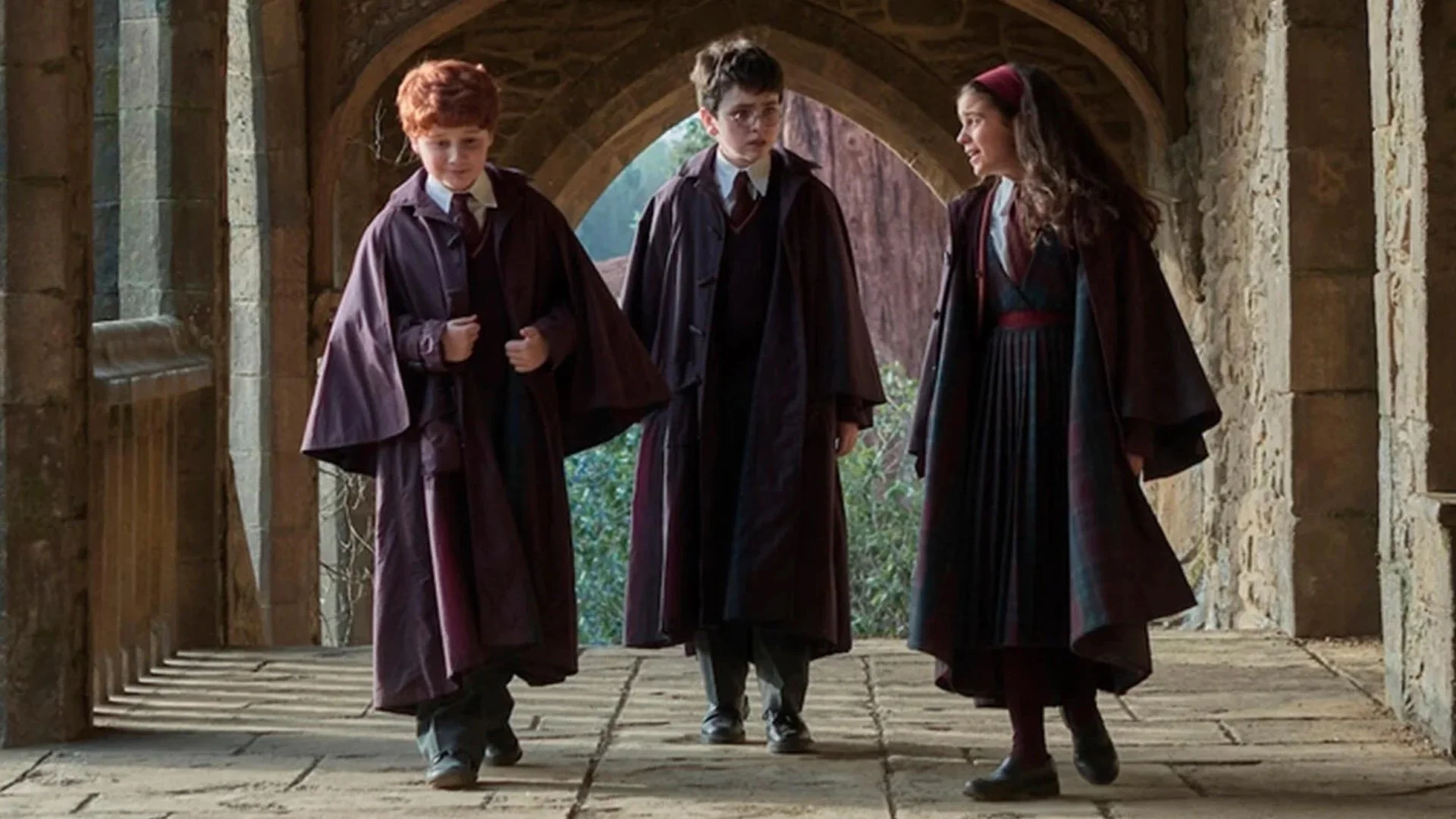
HBO has begun early development work on the second season of their upcoming Harry Potter television series, even as the first season remains in pre-production. This strategic approach aims to minimize the lengthy gaps between seasons that have become commonplace in modern television production.
The network announced their Harry Potter series adaptation in April 2023, with plans for a seven-season run covering each book in J.K. Rowling's series. Casey Bloys, HBO's Chairman and CEO of Content, confirmed the multi-season commitment during the initial announcement, emphasizing the network's dedication to telling the complete story across multiple years.
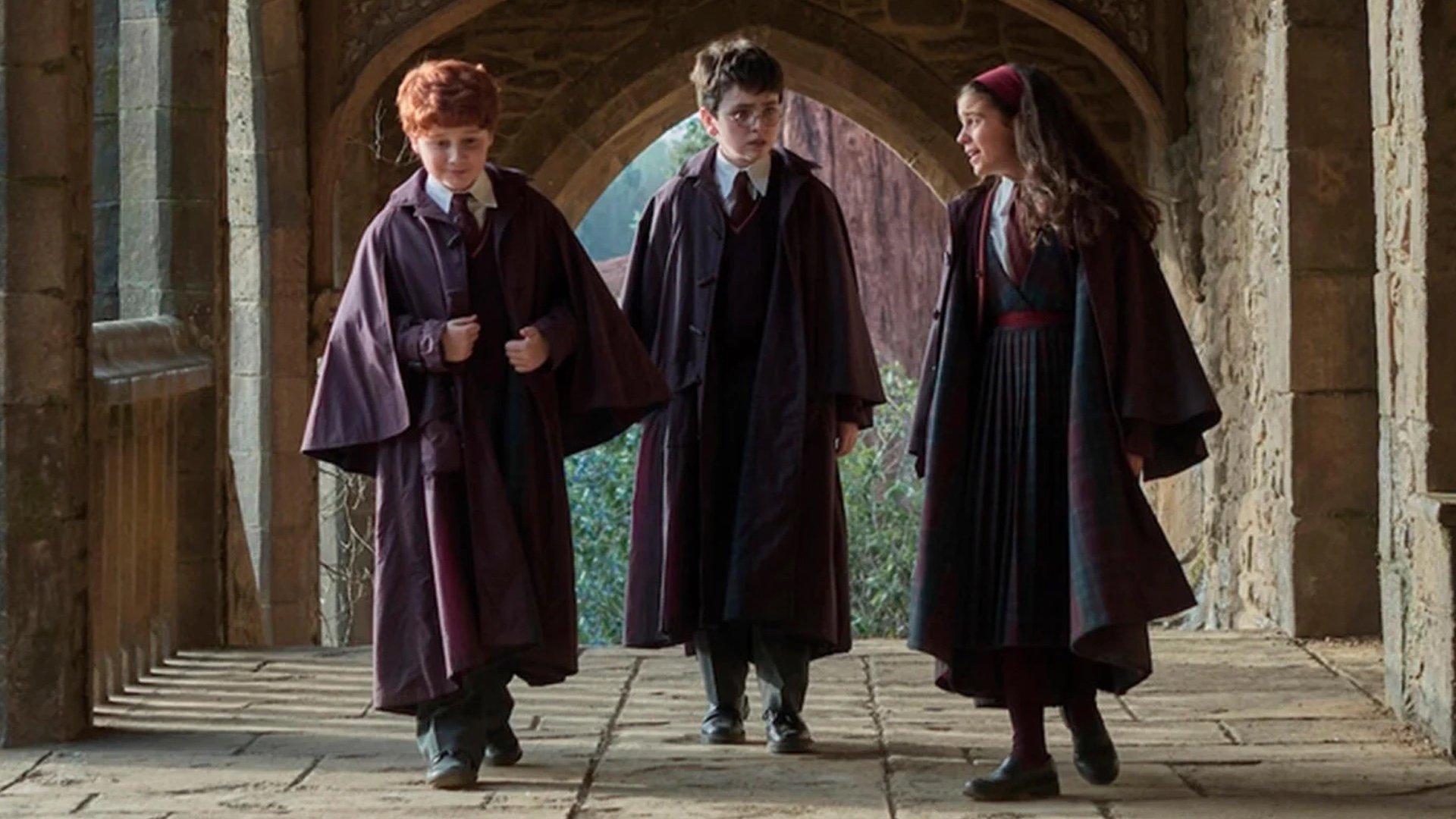 HBO's Harry Potter series aims for seamless season transitions. Credit: HBO
The decision to work on Season 2 during Season 1's production reflects HBO's awareness of audience frustration with extended waits between seasons. Netflix's Stranger Things experienced significant delays between seasons, with nearly three years separating seasons three and four. Similarly, Amazon's The Boys has faced production delays that stretched release schedules beyond initial projections.
Francesca Gardiner serves as showrunner and executive producer for the Harry Potter adaptation, with Mark Mylod directing multiple episodes of the first season. Mylod previously directed episodes of HBO's Game of Thrones and Succession, bringing established experience with the network's production processes.
The casting process for the main trio—Harry, Ron, and Hermione—launched in September 2024, seeking actors aged 9-11 for the roles. This casting timeline indicates Season 1 filming is expected to begin in 2025, with the series potentially premiering in 2026.
HBO's approach mirrors their handling of House of the Dragon, where the network greenlit Season 2 before Season 1 premiered in August 2022. This pre-emptive renewal strategy allowed for continuous production planning and reduced the gap between seasons to approximately two years.
The Harry Potter series represents HBO's largest fantasy commitment since Game of Thrones concluded in 2019. The network has allocated substantial resources to the project, though specific budget figures remain undisclosed. Industry estimates suggest each season could cost between $100-150 million, placing it among television's most expensive productions.
J.K. Rowling serves as executive producer on the series, maintaining creative oversight of the adaptation. The author's involvement ensures adherence to the source material while allowing for television-specific storytelling adjustments. Rowling previously maintained similar involvement in the Fantastic Beasts film series, though with varying degrees of creative control.
The simultaneous development of multiple seasons requires extensive planning coordination. Writers must outline character arcs across multiple seasons while production teams prepare sets, costumes, and visual effects for future installments. This approach demands significant upfront investment but can reduce long-term production costs through efficient resource allocation.
HBO's strategy addresses a key concern in modern television consumption patterns. Streaming audiences increasingly expect consistent content delivery, with lengthy gaps often resulting in decreased viewer engagement and subscription cancellations.
The network has not announced specific premiere dates for either season, maintaining that quality takes precedence over speed. However, the dual-season development approach suggests HBO is committed to maintaining momentum once the series launches.
This production strategy positions HBO's Harry Potter series to potentially avoid the pitfalls that have affected other major fantasy adaptations, where extended production gaps have tested audience patience and loyalty.
From Our Estate
Planning a trip to Universal Orlando?
Wizard's Way is a private luxury estate minutes from the parks. Nine bedrooms, private pool, designed for families who expect more.
Reserve Your Stay